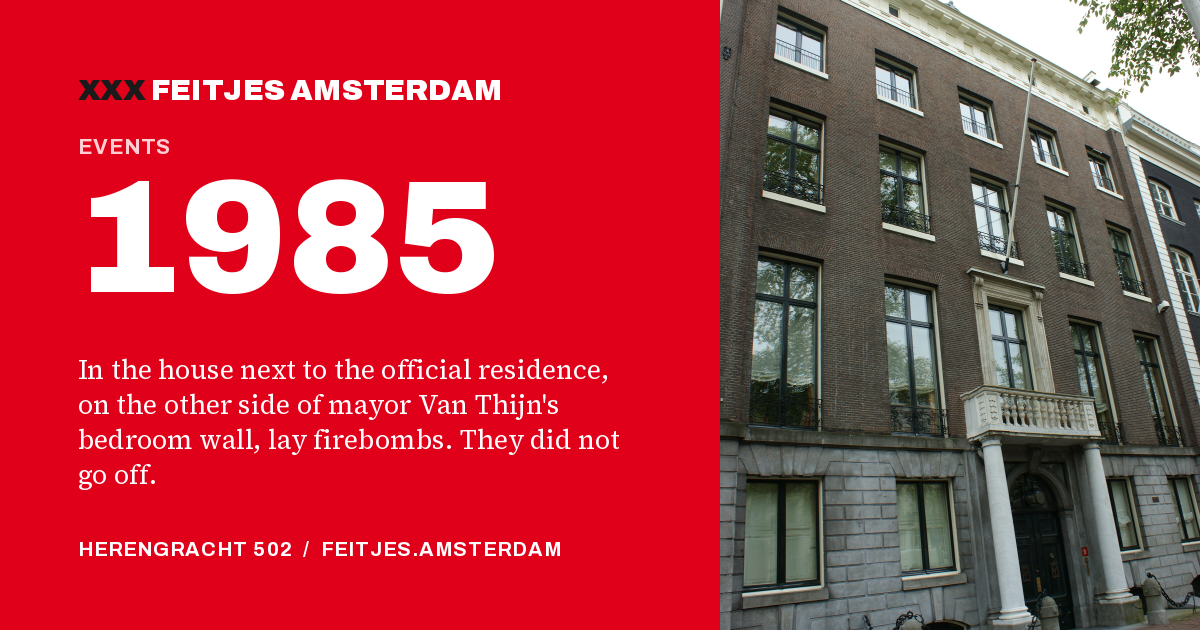
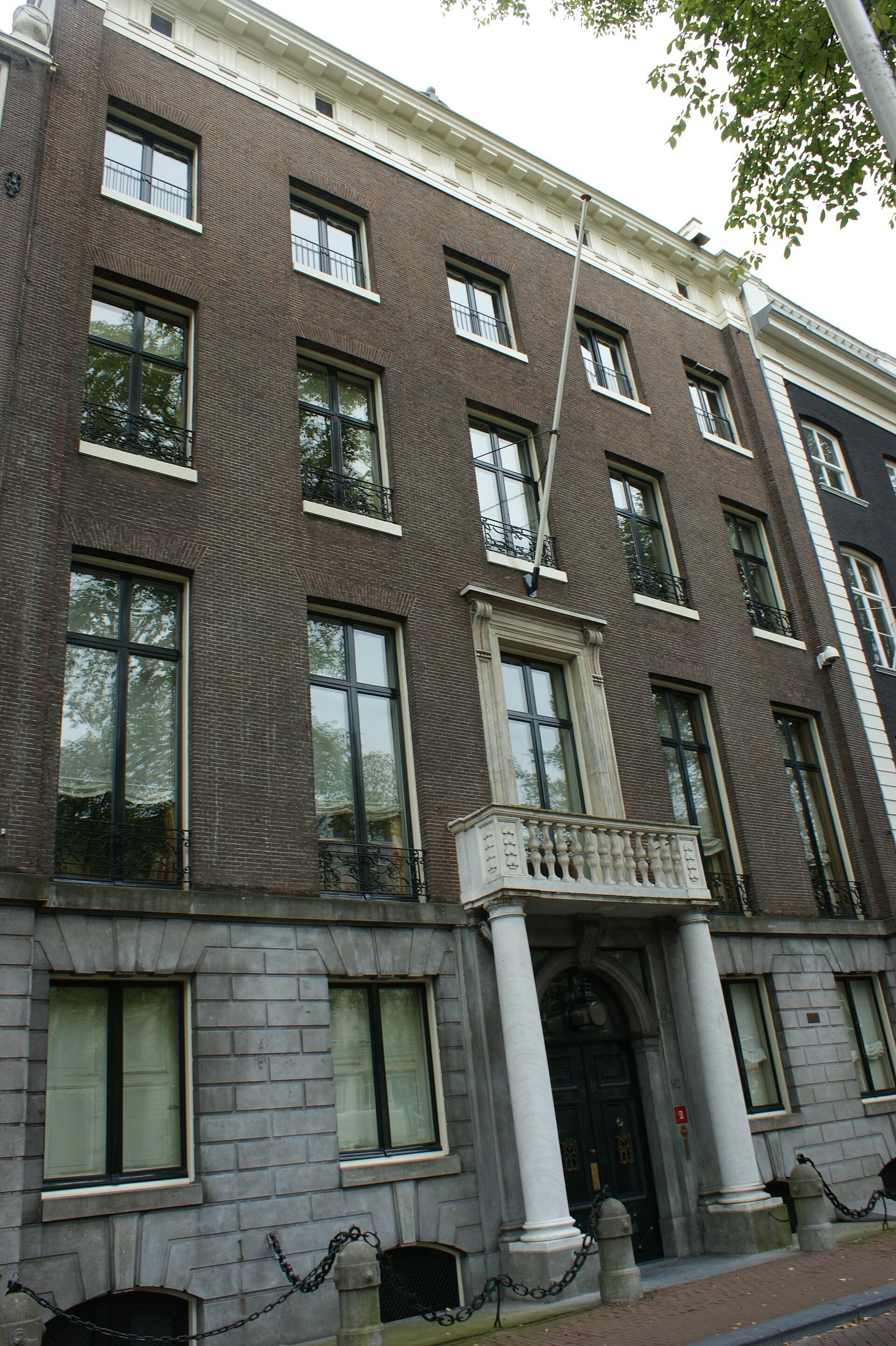
On the Herengracht, at number 502, stands a wide double house with a marble stoop, six bollards and a lantern above the door. Since 1927 it has been the mayor's official residence. Read the plaque by the door and you learn the house has a heavy history: its first occupant, in 1672, was Paulus Godin, a director of the Dutch West India Company involved in the trade in enslaved Africans. The stoop and the entrance were added later, in a 1791 remodelling.
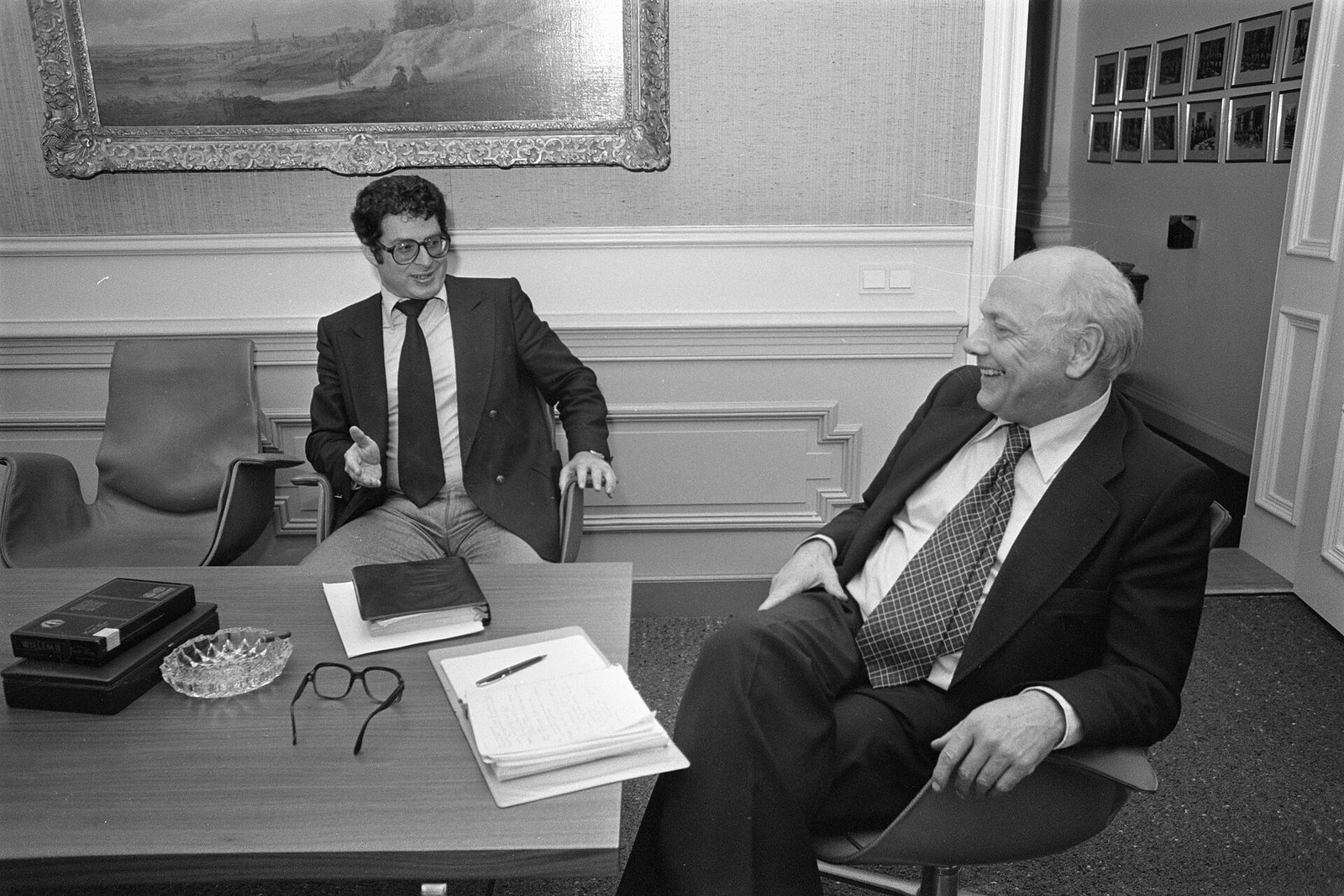
Not every mayor lived there. Willem de Vlugt, the first, moved out to Aerdenhout in the 1930s. Ed van Thijn, mayor from 1983 to 1994, did live there. And the people who wanted him dead in the autumn of 1985 knew it.
The death of Hans Kok
Amsterdam in those years was a city of squats, evictions and riots. On 24 October 1985 police cleared a squatted building on the Schaepmanstraat in the Staatsliedenbuurt. Among the thirty or so people arrested was 23-year-old Hans Kok. The next day he was found dead in his police cell. Officially it was a combination of a cold cell, substance use and guards who did not check on him enough. The squatters called it murder.
The city exploded. The following night some forty fires were set at police stations, district offices and other public buildings. Hans Kok was buried in secret for fear of further unrest. For the most radical squatters the culprit was clear: the mayor, who was also head of the police.
The night of the bomb
About two weeks after Hans Kok's death the police received a warning at night: there was a bomb at the mayor's house. Van Thijn was woken and had to leave at once. A search of the narrow building next door, Herengracht 504, turned up two firebombs set to go off after half an hour. They lay on the other side of his bedroom wall.
That they did not go off was luck. According to a former intelligence analyst they were jerrycans of petrol, and the hand of the little timer clock caught in the carpet. Otherwise, he said, the mayor would have been blown out of his bedroom, bed and all. The attack is attributed to the Autonome Cellen Nederland and was widely condemned even in radical left-wing circles.
Eighteen years of silence
Perhaps the most remarkable thing about this story is that hardly anyone knew. Only in 2003, when Ed van Thijn published his recollections of his years as mayor, did the night of the bomb come out. No arrests or convictions were ever reported. In the Kok case it was decided in December 1986 not to prosecute the three guards on duty. His death has never been fully explained and lived on in a song by The Ex, in A.F.Th. van der Heijden's novel Advocaat van de hanen and in the film In naam der wet.
Herengracht 502 is still the official residence; the mayor lives on the top floor and the rest is used for receptions. Nothing on the facade recalls that night in 1985.
More about the squatting years? Read about De Grote Wetering, from dairy plant to squatting icon and about the coronation riots of 1980.

- 01The first occupant of the official residence, in 1672, was West India Company director Paulus Godin. Since 2004 a plaque names his role in the slave trade.
- 02The marble stoop and six bollards of Herengracht 502 date not from 1672 but from a remodelling in 1791.
- 03The bombs lay in the house next door, on the other side of the mayor's bedroom wall.
- 04According to a former intelligence analyst, the hand of the timer clock caught in the carpet.
- 05The attack stayed secret for eighteen years, until Van Thijn wrote about it in 2003.
Sources (8)
- Rijksmonumentenregister: Herengracht 502 (1871)
- Rijksmonumentenregister: Herengracht 504 (1872)
- NH Nieuws: De pijnlijke geschiedenis van de Amsterdamse ambtswoning en haar bewoners
- HMDB: plaquette Huis met de Kolommen
- Mare: oud-AIVD'er Berrie Hanselman over links geweld
- Wikipedia (Engels): Death of Hans Kok
- Parlement.com: Ed van Thijn
- Peter-Paul de Baar en Peter de Brock, Hier gebeurde het (boekentip)