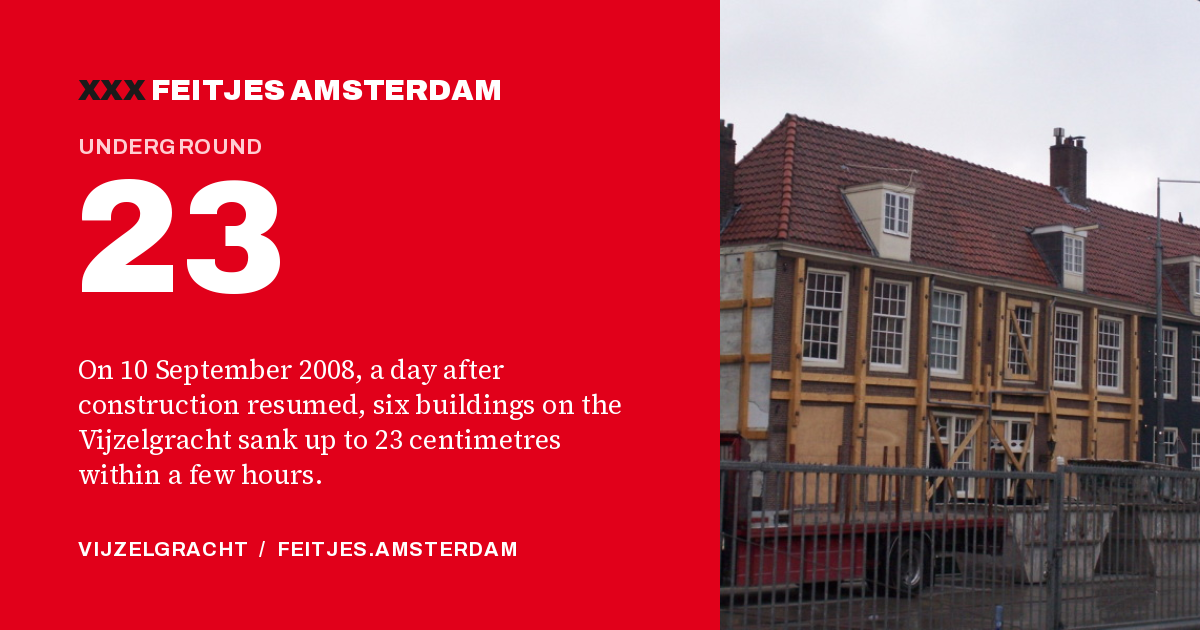
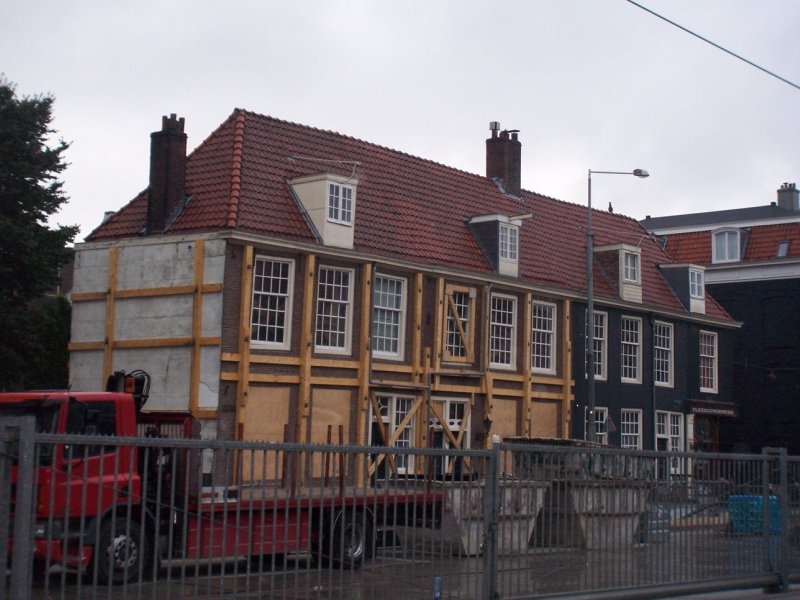
The weavers' houses on the Vijzelgracht have stood there since 1671. They survived the filling in of the canal, two world wars and centuries of traffic. But in the summer of 2008 they sank several centimetres in just a few hours. The cause lay deep under the street.
A canal that became a street
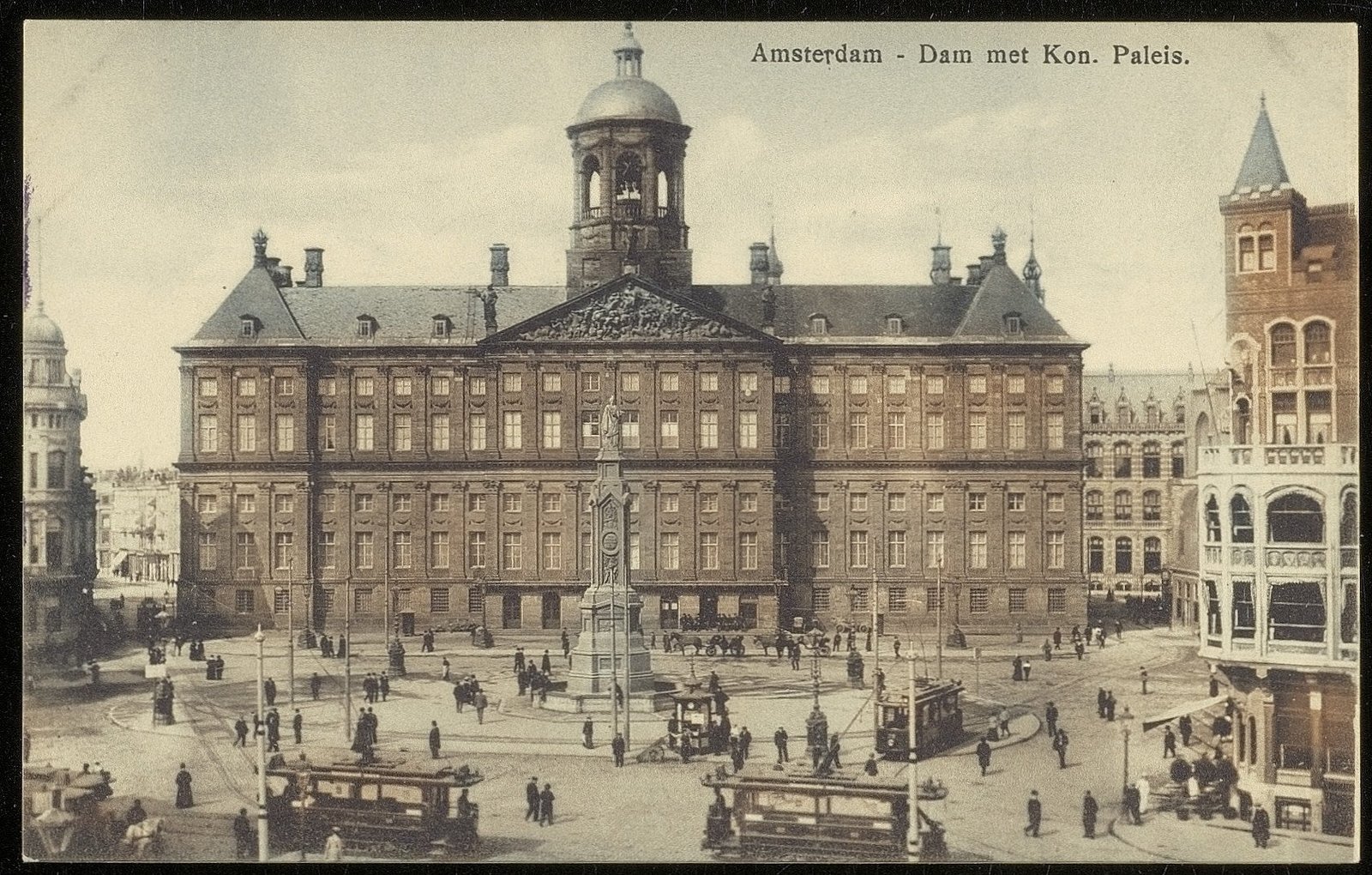
Until 1933 the Vijzelgracht really was a canal, with bridges and water between the Prinsengracht and the Lijnbaansgracht. It was then filled in to make room for traffic into the centre. Along the east side stands a row of listed houses built between August 1670 and March 1671 to a design by Philips Vingboons. They were weavers' houses: the looms stood on the first floor, and the spinners worked in the cellar.
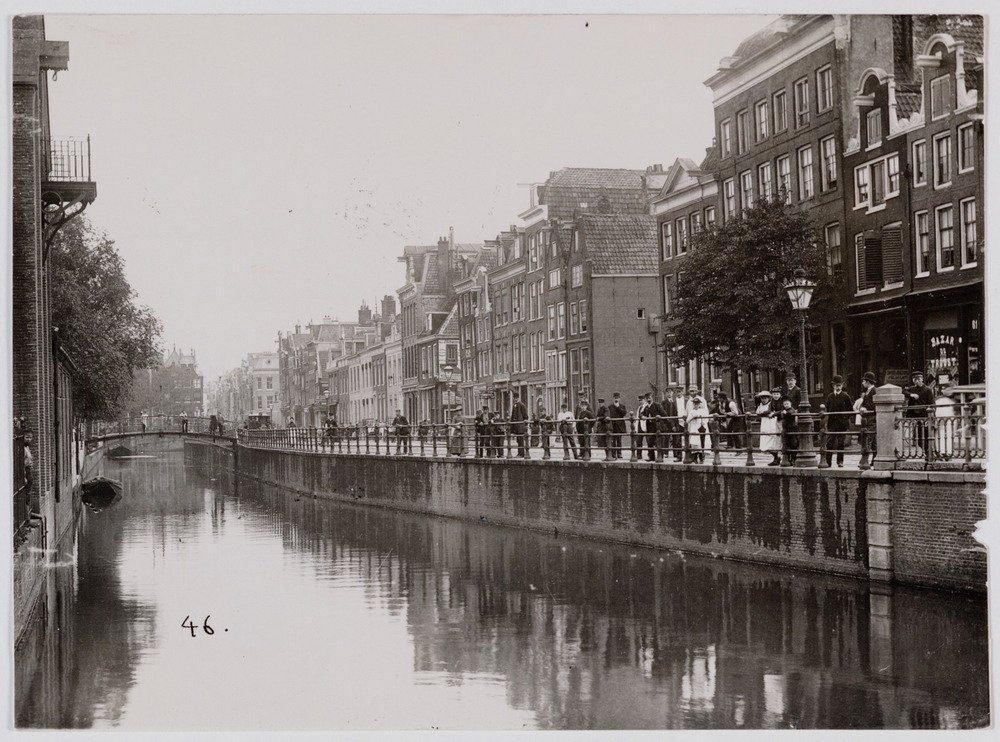
When the street was opened up in 2002 to build Vijzelgracht metro station, local residents wanted the water back. The street was dug up anyway. In April 2006 the city council voted the plan down: too expensive.
Four days in 2008
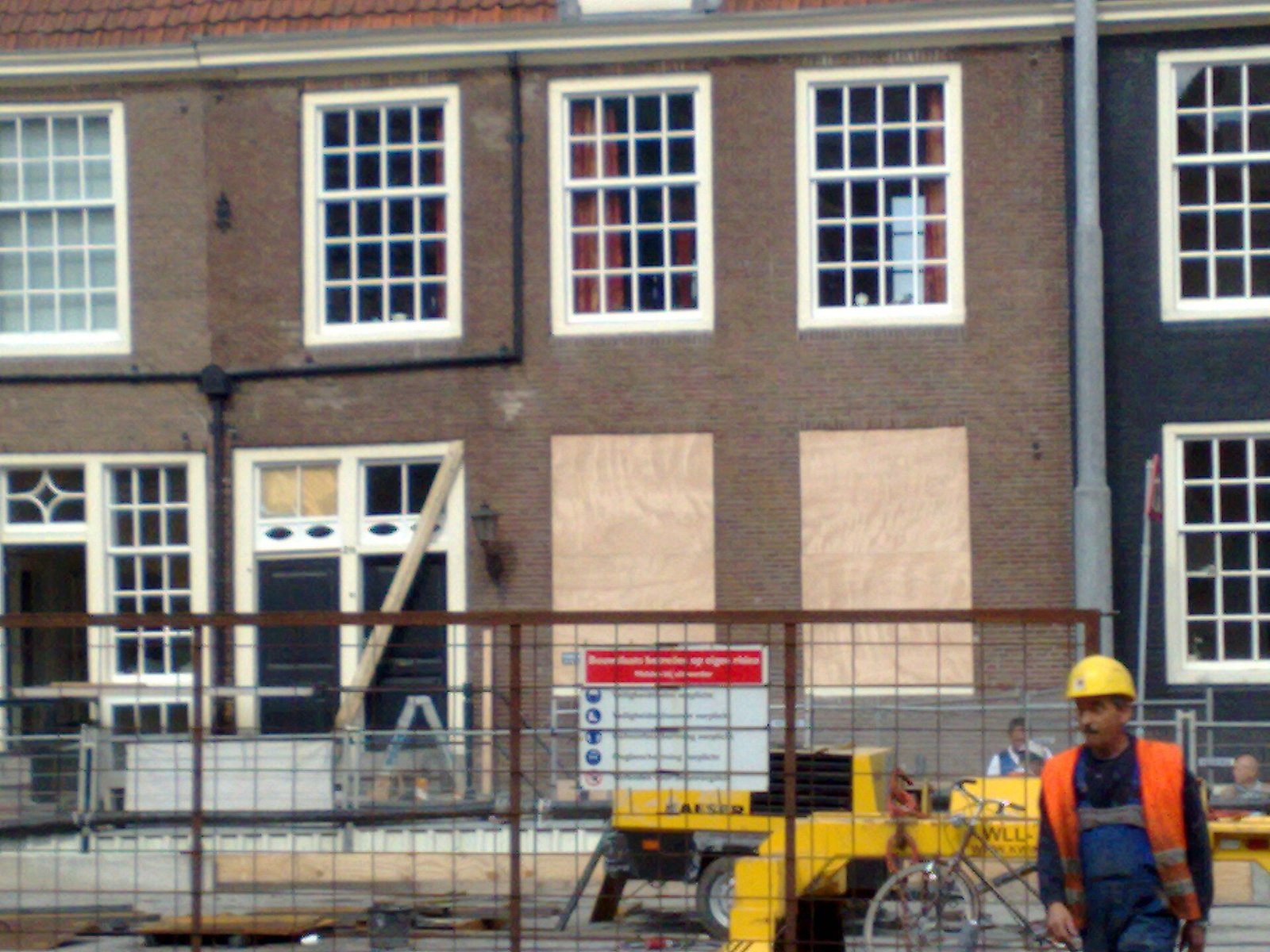
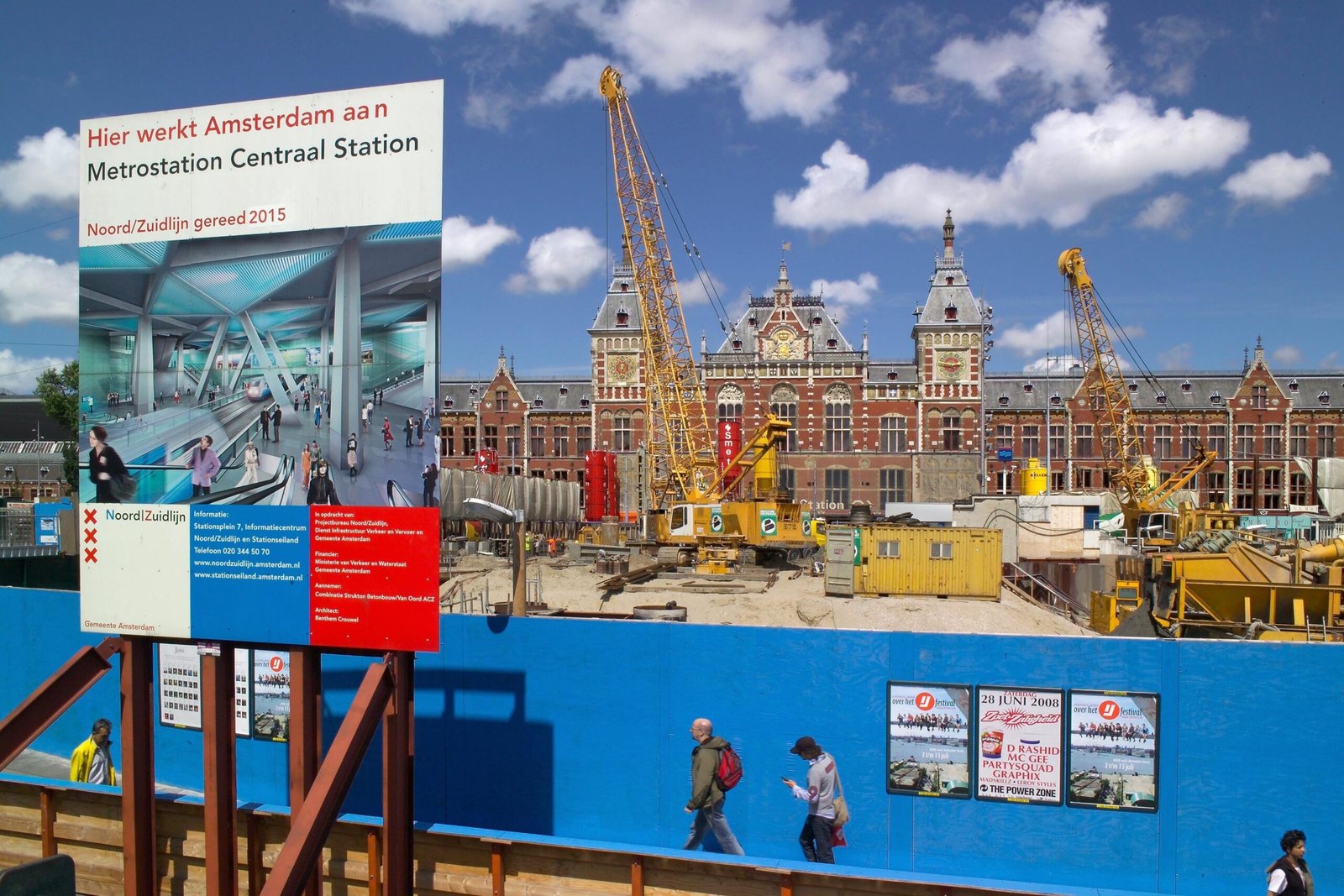
To build the station, a deep box with concrete walls was made in the ground: diaphragm walls. They are meant to keep the groundwater and soft soil out. As early as October 2004, seven buildings nearby sank about 2.5 centimetres. But on 19 June 2008 things really went wrong. Through a leak in a diaphragm wall, water and sand poured into the pit, and four of the listed weavers' houses sank 15 centimetres. On 23 June work was halted.
The city and the project office commissioned research and concluded it was safe to continue. Work resumed on 9 September 2008. The next day, 10 September, six buildings sank more than twenty centimetres in a few hours, up to 23 centimetres. Another leak in a diaphragm wall. Residents had to leave their homes and were put up in hotels.
Also read: When metro stations doubled as mysterious fallout shelters. Nothing is as exciting as secret places beneath the ground of our city. That many metro stations lie below street level...
Bad concrete
Research institute Deltares then found 114 weak spots and a hole in the concrete walls at the Vijzelgracht, caused partly by poor and contaminated concrete and poor reinforcement. In January 2009 a driver who had delivered concrete told the press that concrete had been used that was hours past its usable time.
The Vijzelgracht became the symbol of everything that went wrong with the North/South line. Still, the station was built. Since 2018 the metro has run beneath the filled-in canal, and the weavers' houses are still standing.
Keep reading
- 01The Vijzelgracht was filled in in 1933.
- 02The weavers' houses were built between August 1670 and March 1671 to a design by Philips Vingboons.
- 03On 19 June 2008 four weavers' houses sank 15 centimetres.
- 04On 10 September 2008 six buildings sank up to 23 centimetres.
- 05Deltares found 114 weak spots and a hole in the concrete walls.