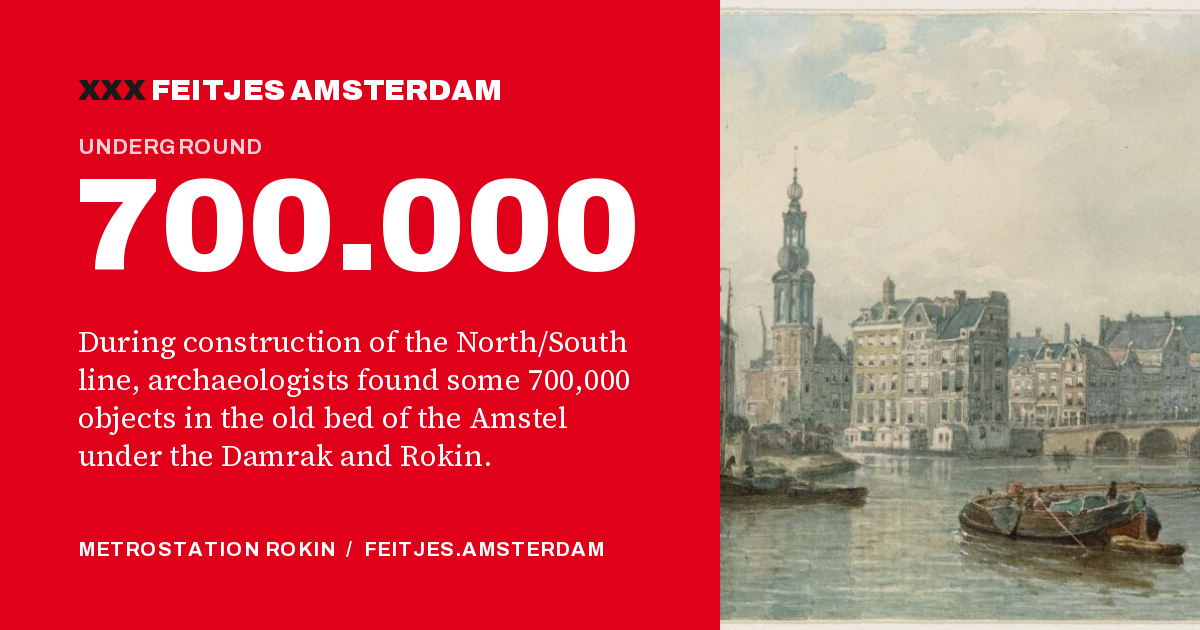
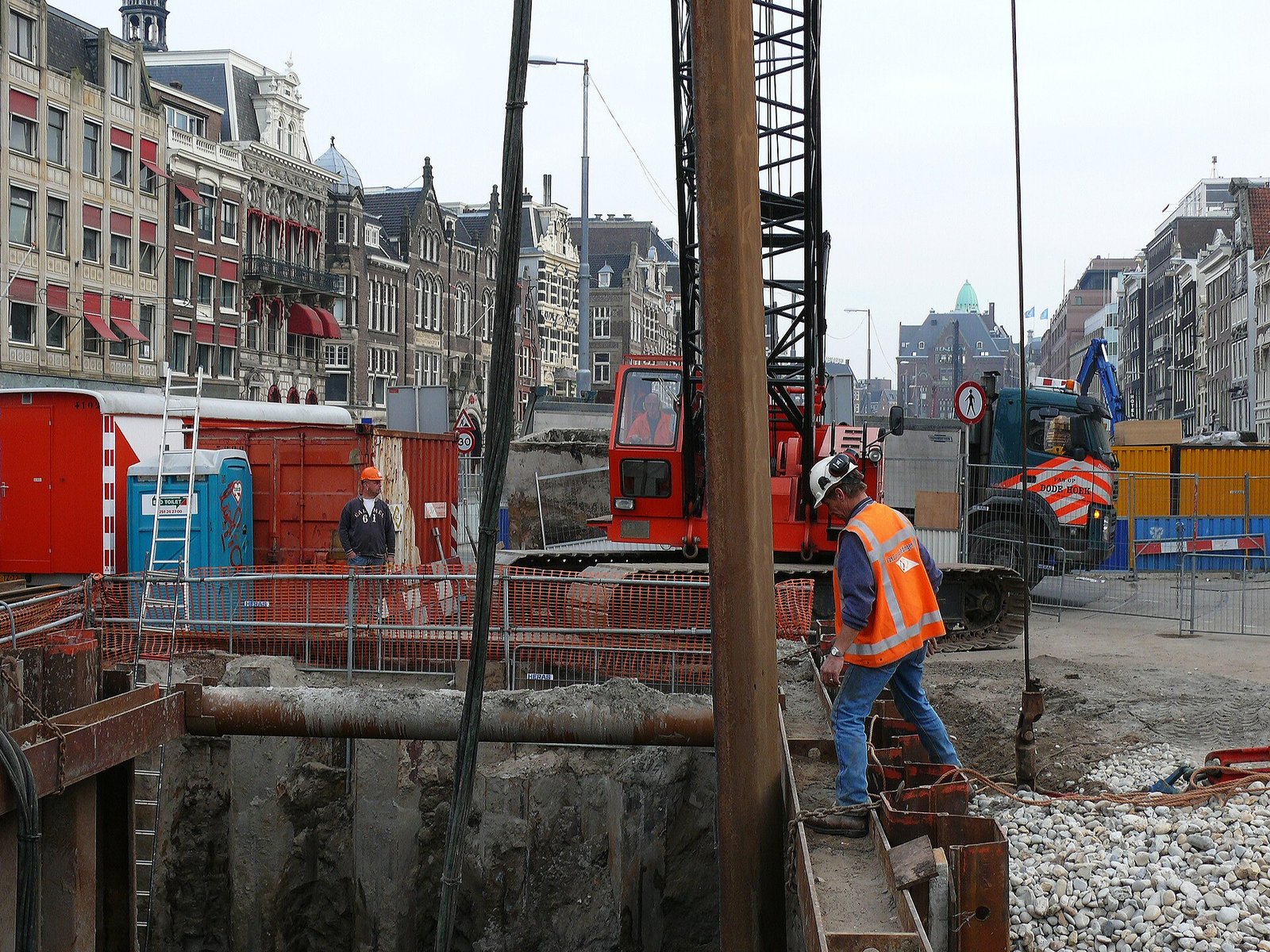
What do you throw into a river? Everything, it turns out. When deep construction pits were dug for the North/South metro line in the Damrak and on the Rokin, archaeologists dug straight through the old bed of the Amstel. They pulled out around 700,000 objects.
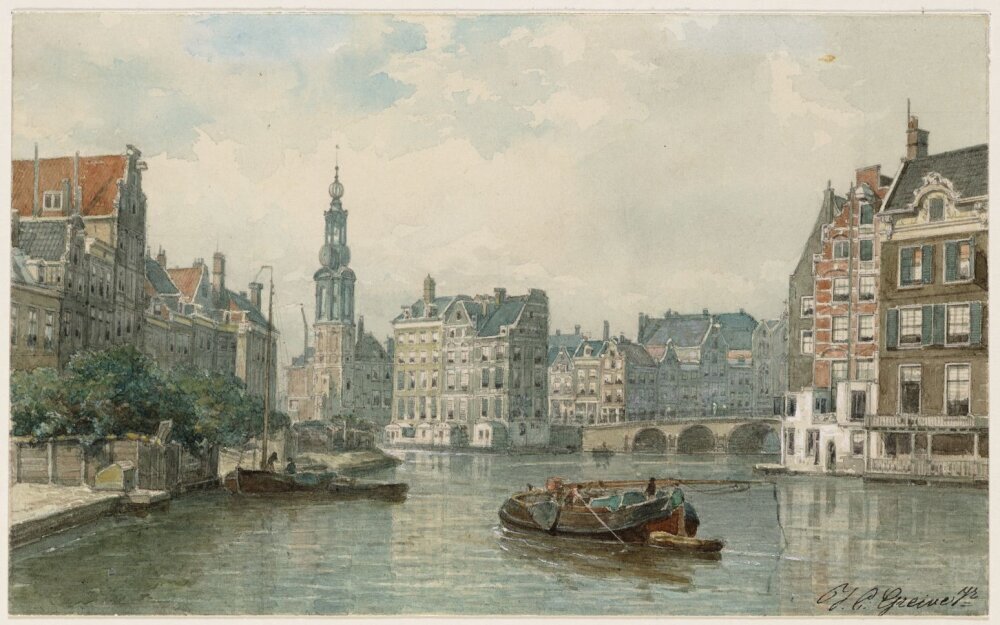
The city's rubbish bin
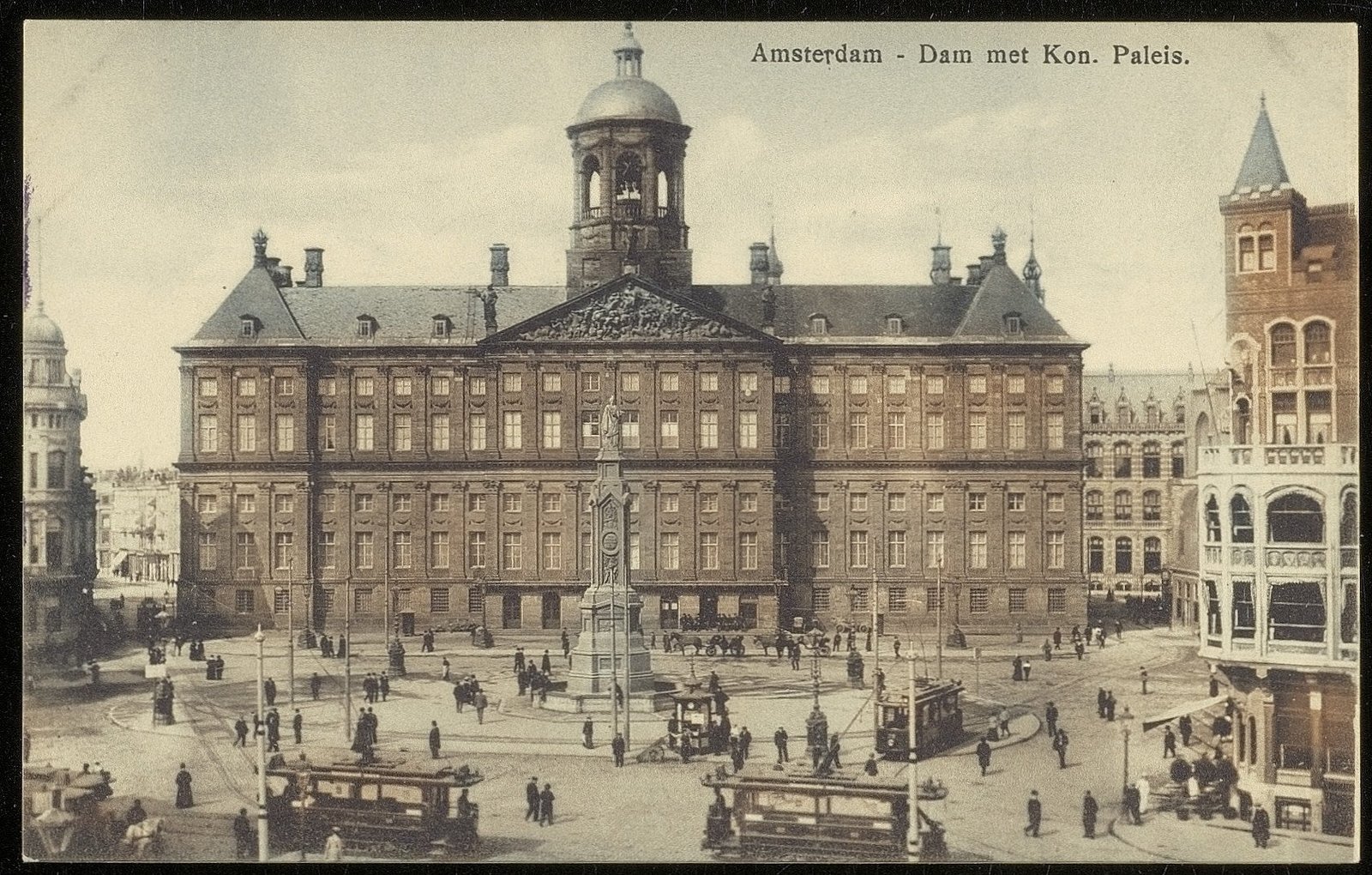
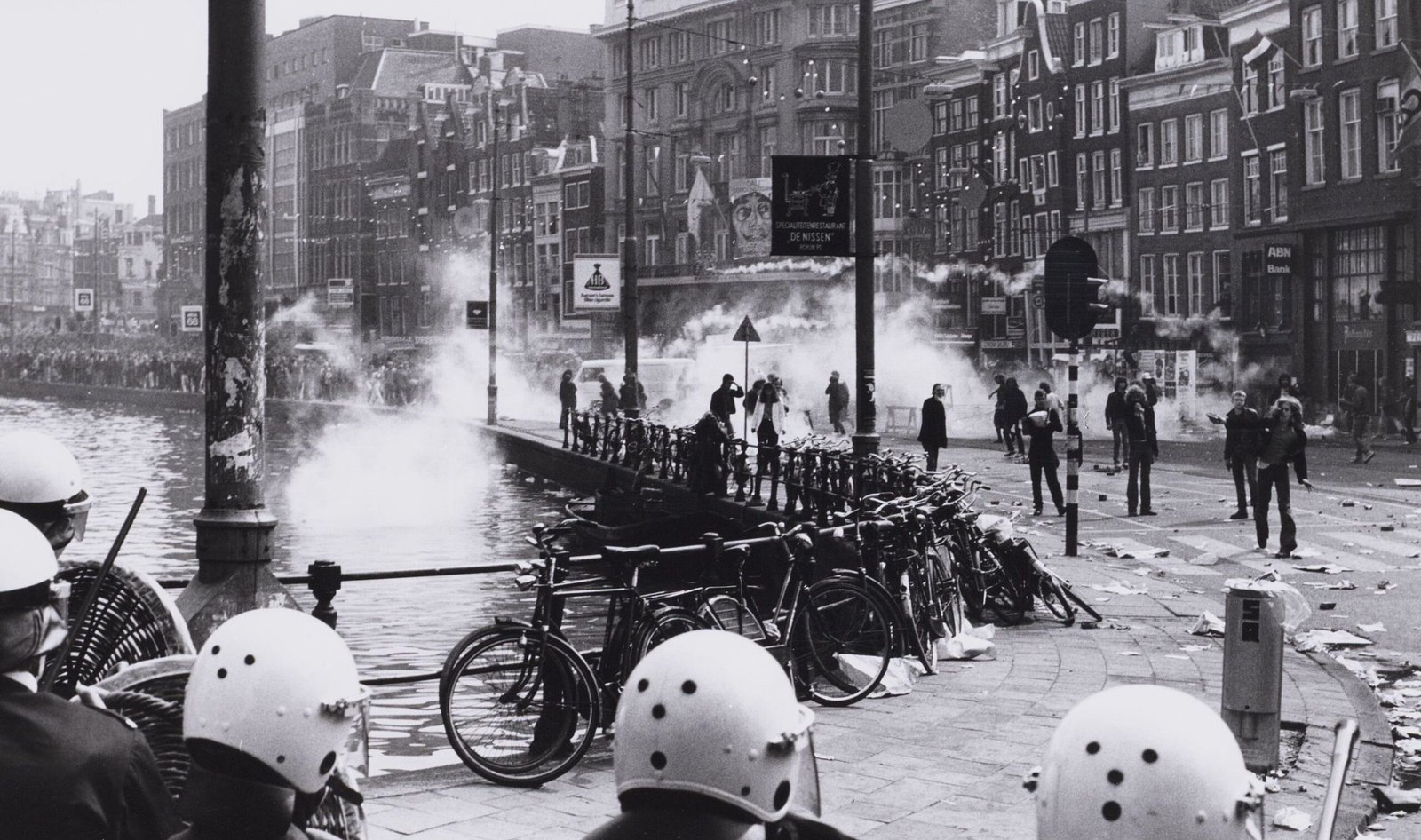
The Damrak and the Rokin are really the Amstel. The river once flowed right through the centre to the IJ, until a dam was built across it: the spot we now call Dam Square. For centuries Amsterdammers threw all sorts of things into it. Whatever fell into the water sank into the mud and stayed there, sealed off from the air. That kept it surprisingly well preserved.
From 2003, archaeologists led by city archaeologist Jerzy Gawronski worked alongside the metro builders. Fifteen years later, in 2018, the results were published: about 700,000 finds, from prehistory to the start of this century.
From shells to false teeth
The oldest find is a group of shells from around 124,000 BC. They look almost identical to shells you would find on a beach today. After that it becomes very human: coins, keys, combs, cutlery, pipes and toys. There was a seventeenth-century table knife showing the story of Jonah and the whale, a little pot with a blue monster on it, and a modern set of false teeth. An Italian euro from 2002 and a champagne label also came up. The Amstel simply stayed in use as a bin.
Also read: When metro stations doubled as mysterious fallout shelters. Nothing is as exciting as secret places beneath the ground of our city. That many metro stations lie below street level...
Take a look on the Rokin
You do not need to go to a museum to see the finds. In Rokin metro station some 10,000 objects are displayed in long showcases along the escalators, sorted the way archaeologists do: by material and function. Anyone waiting for the metro is actually standing in a museum, at the very spot where the objects were found.
All the finds are online too, on the Below the Surface website. There you can browse around 20,000 objects and build your own showcase. And there is a thick photo book, Stuff, with more than 13,000 photographs of everything the city lost over the centuries. In 2019 it was named the most beautiful book in the world at the book design awards in Leipzig. Stuff has since sold out, but in 2023 a follow-up appeared: Hidden under the Amstel, with 107 stories about the most remarkable finds, written by 31 historians, archaeologists and journalists.
Keep reading

- 01Construction of the North/South line brought some 700,000 objects up from the bed of the Amstel.
- 02The oldest find is a group of shells from around 124,000 BC.
- 03Rokin station displays some 10,000 finds in showcases.
- 04The Below the Surface website shows around 20,000 finds.
- 05The photo book Stuff contains more than 13,000 photographs.
Sources (5)
- UvA: archeologen vinden 700.000 objecten op traject Noord/Zuidlijn (2018)
- Smithsonian Magazine: New website unearths Amsterdam's history via 700,000 artifacts
- DutchNews: 700,000 items dug up during new metro works feature in virtual museum (2018)
- Below the Surface
- Stadsarchief Amsterdam: De Amstel gezien naar het Schapenplein met Munttoren, J.C. Greive jr.