Walk along the Prinsengracht near the Westermarkt today and you will see the queue outside the Anne Frank House. In 2025 more than 1.2 million people visited, from 153 countries. But seventy years ago number 263 stood empty, neglected and sold, with the wrecking ball waiting.
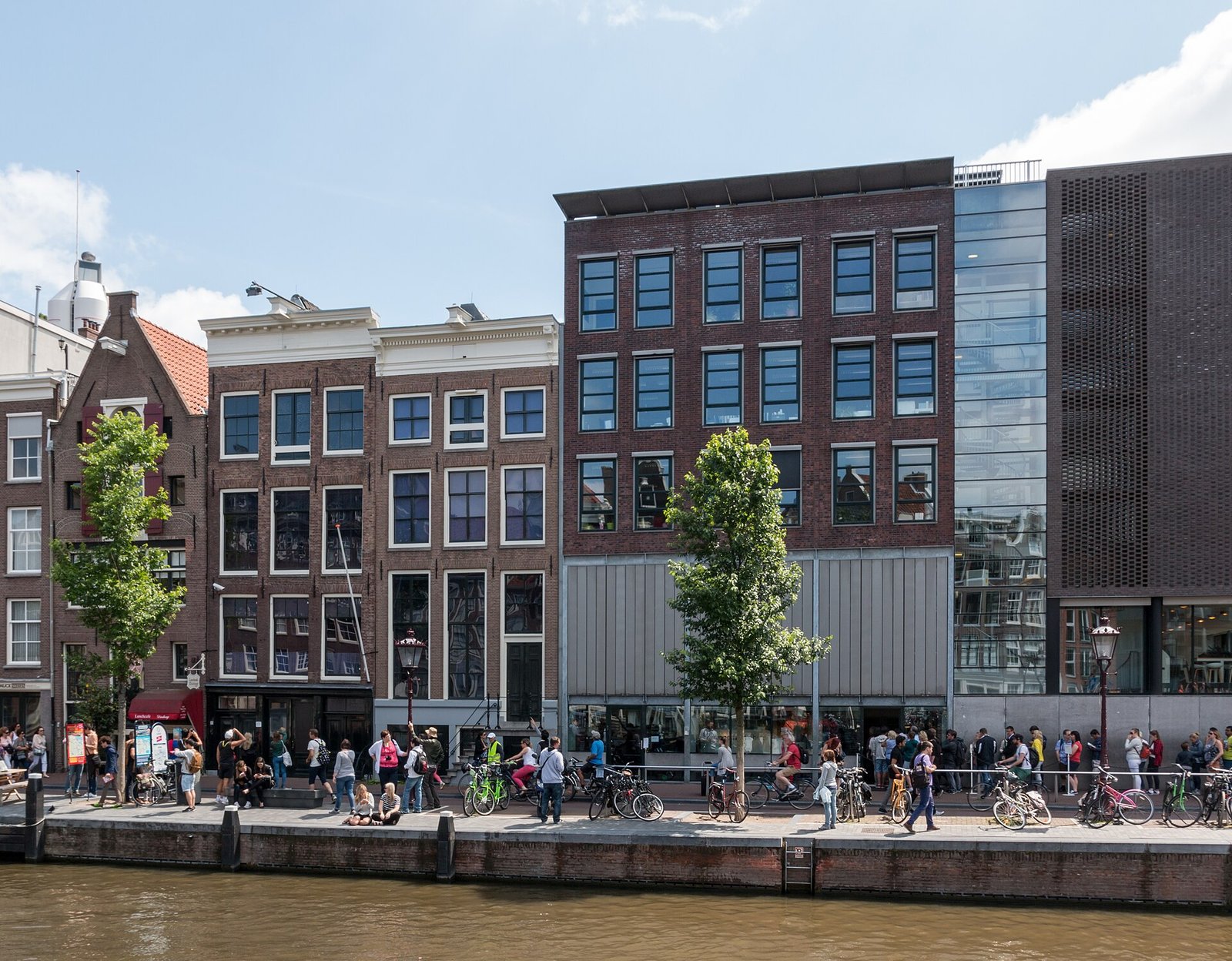
An empty house on the canal
Otto Frank returned in June 1945, the only one of the eight people in hiding to survive. He restarted his company Opekta in the front house, but the Secret Annex stayed empty. After his daughter's diary was published in 1947, his staff soon began showing journalists and curious visitors around the hiding place. It was far from a museum.
In 1953 Opekta bought the building, but there was no money for restoration. The textile firm Berghaus, which had wanted to buy up the corner of the Prinsengracht and the Westermarkt for a new factory since 1950, got it after all in 1954: Otto Frank sold, according to the Anne Frank House reluctantly. Demolition seemed only a matter of time. The national government was not much interested either: foreign minister Luns is said to have written that the house was no historic monument.
The play that changed everything
The turning point came from Broadway. On 5 October 1955 The Diary of Anne Frank, written by the married couple Frances Goodrich and Albert Hackett, opened in New York. It won the Pulitzer Prize. Otto Frank never wanted to see it: his family on stage was too much for him. On 27 November 1956 the Dutch premiere followed in the Nieuwe De la Mar theatre, with Queen Juliana and Prince Bernhard in the audience.
The diary became world famous and foreign visitors turned up at the canal. More and more people found the idea of tearing down the place of the diary unbearable. As early as November 1955 the newspaper Het Vrije Volk started a campaign to save the building.
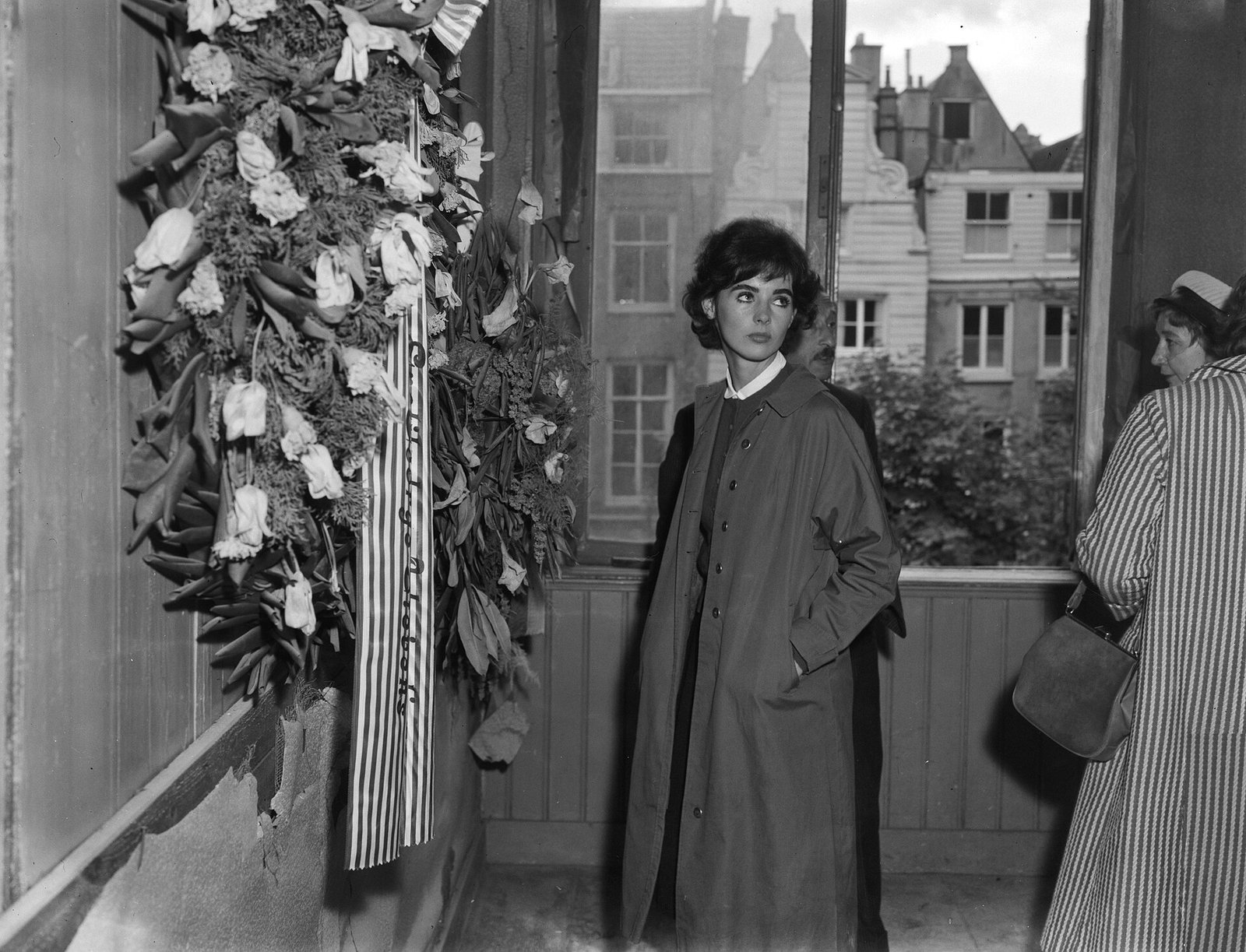
A foundation, a gift and student rooms
On 3 May 1957 a group of Amsterdammers, working closely with Otto Frank, founded the Anne Frank Foundation. Its first board included resistance heroine Truus Wijsmuller, who before the war had helped thousands of Jewish children reach England. That same year Berghaus gave the building to the foundation and dropped its factory plans. But the neighbouring buildings now belonged to a property developer, and without its neighbours number 263 could not stay standing.
After long negotiations the developer agreed to sell everything for 350,000 guilders. Mayor Van Hall took up the cause personally and on 12 June 1958, the day Anne would have turned 29, appealed in the newspaper for donations for a house that should remain a symbol of courage, hope and trust in people. Only part of the money came in. The solution came from an unexpected direction: the city and the University of Amsterdam wanted to create student rooms in the buildings, and the university advanced the shortfall.
Open, and deliberately empty
On 3 May 1960 the Anne Frank House opened, even though the restoration was not yet finished. Otto Frank addressed those present and apologised that after that day he would not speak from this house again: the memories were too painful. He also wanted the Secret Annex to stay empty, as the Nazis had left it after the arrest. It still is. In the first year about nine thousand people visited. In 2007 the count passed one million for the first time.
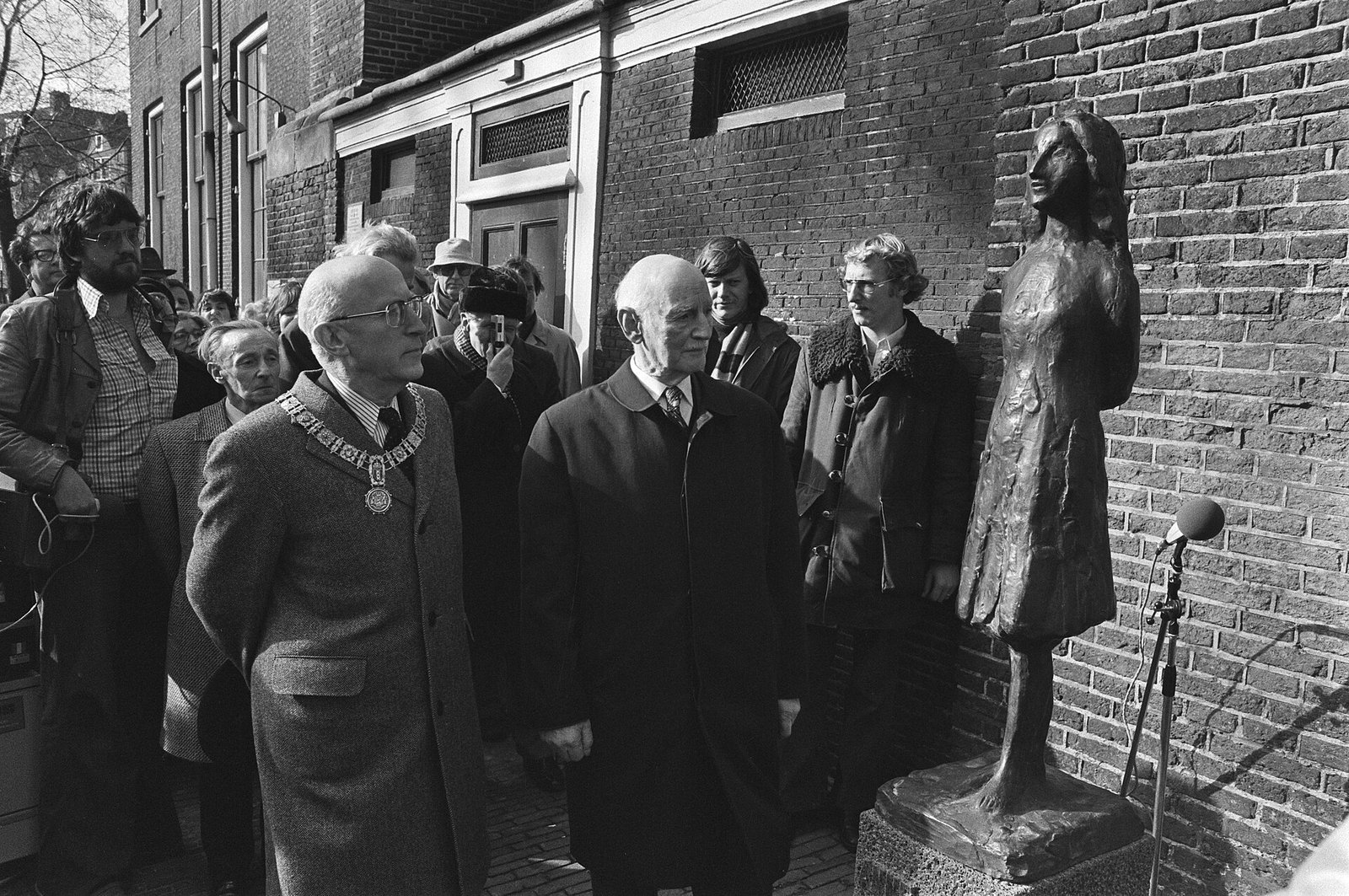
Around the corner on the Westermarkt stands the statue of Anne Frank by Mari Andriessen, unveiled in 1977 by mayor Samkalden with Otto Frank at his side.

- 01Otto Frank himself sold the building in 1954, reluctantly, to the company that wanted to demolish it.
- 02The play that made the Secret Annex world famous won the Pulitzer Prize. Otto Frank never wanted to see it.
- 03Mayor Van Hall chose 12 June 1958, the day Anne would have turned 29, for his appeal for donations.
- 04The Secret Annex was partly saved by a University of Amsterdam plan for student rooms.
- 05In the first year about 9,000 people visited; today it is more than 1.2 million a year.
Sources (7)
- Anne Frank Huis: Hoe het allemaal begon
- Anne Frank Huis: 60 jaar Anne Frank Huis (2020)
- Anne Frank Huis, tijdlijn: de onderduikplek wordt museum
- Anne Frank Huis research: première toneelstuk New York en Amsterdam
- Anne Frank Huis: bezoekersaantallen 1960-2025
- DutchNews: brief van minister Luns (2008)
- Peter-Paul de Baar en Peter de Brock, Hier gebeurde het (boekentip)