Philips shows interest
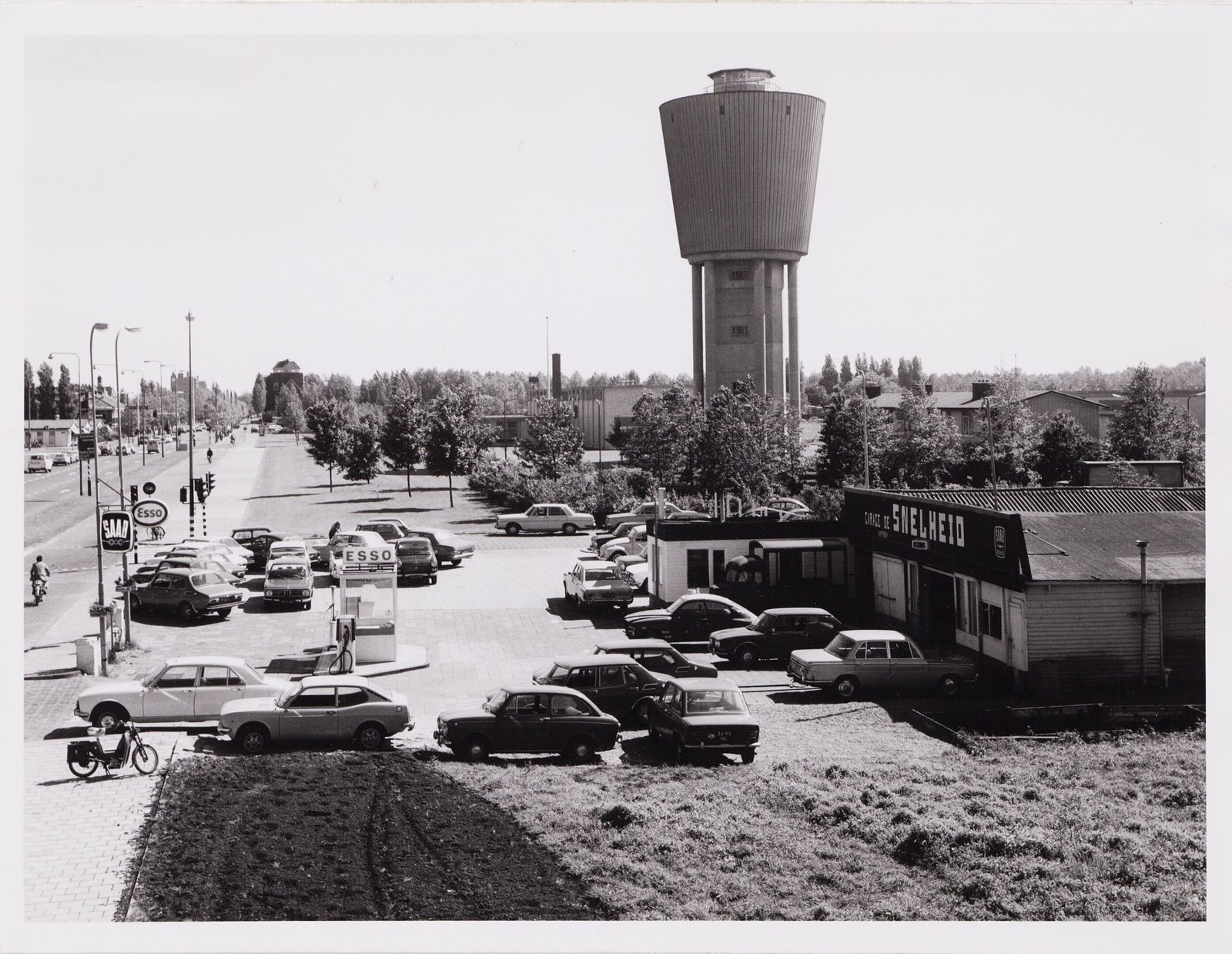
When Cor Boonstra, then the boss of Philips, walked into the showroom of De Snelheid in 1997, he saw not just the car garage, but above all the potential of the site on which the garage stood. Boonstra, accompanied by the then alderman Duco Stadig, was looking for a new home for Philips and this spot was interesting. The Van der Klis brothers were well aware that their garage stood on potentially very valuable land. Not least thanks to the enormous ambitions of the city of Amsterdam to create a business district of real significance.
And the developments in the area around the garage carried on steadily. Especially once ABN Amro decided to build its new headquarters south of the Zuid/WTC railway station. This set off a chain reaction, with demand for land in the area rising rapidly. What had once been considered remote and uninteresting turned into the most expensive land in Amsterdam, and perhaps in the whole of the Netherlands.
The valuable land of De Snelheid
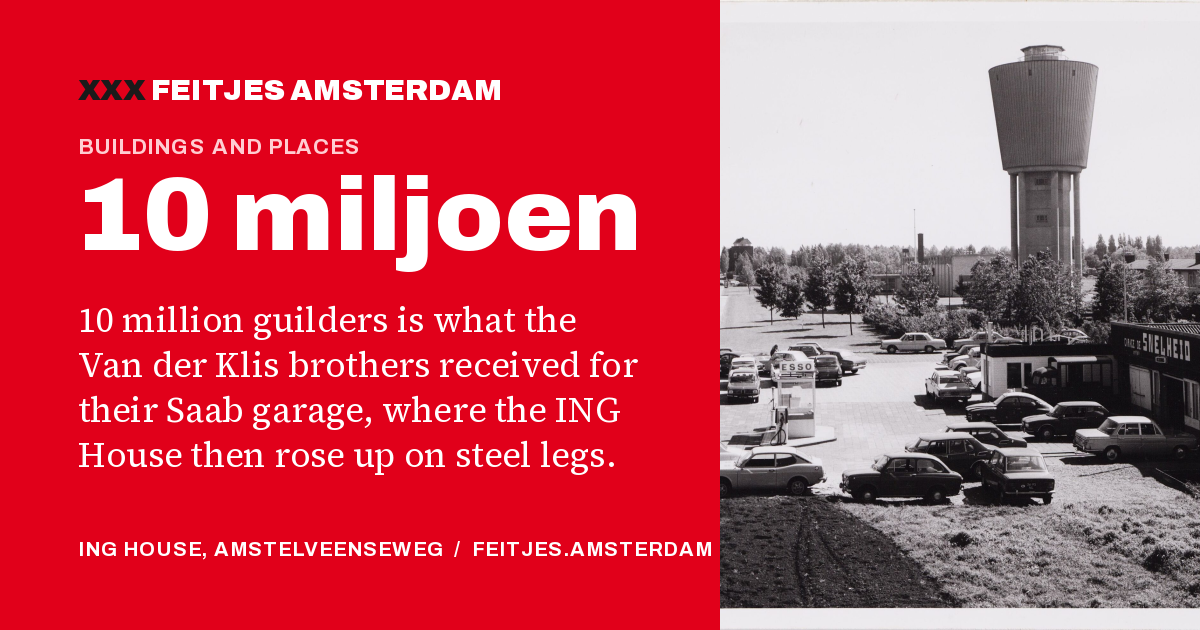
After Boonstra's visit, the Van der Klis brothers entered into protracted negotiations with the city council and a property developer. In the end they were bought out for a sum of around 10 million guilders and were given the right to move their garage to a nearby location, where it is still based to this day. Despite the attractive location of De Snelheid, Philips would ultimately choose the Rembrandttoren near Amstelstation for its new headquarters. On the site of De Snelheid one of the most expensive office buildings in the Netherlands would rise: the new headquarters of ING.
This new building, which soon became known by nicknames such as the klapschaats (clap skate), poenschoen (money shoe), kruimeldief (handheld vacuum cleaner) and glasbak (bottle bank), became a futuristic glass construction, designed using techniques from aircraft construction. The building, known as ING House, was raised on ten-metre-high steel legs, making it an iconic landmark for everyone passing the Zuidas.

So 'up-and-coming' really can come true
Today the Zuidas stands for business success and modern architecture, but the history of this area reminds us how quickly a "middle of nowhere" can turn into one of the most sought-after locations in the country.