The flame of the Games
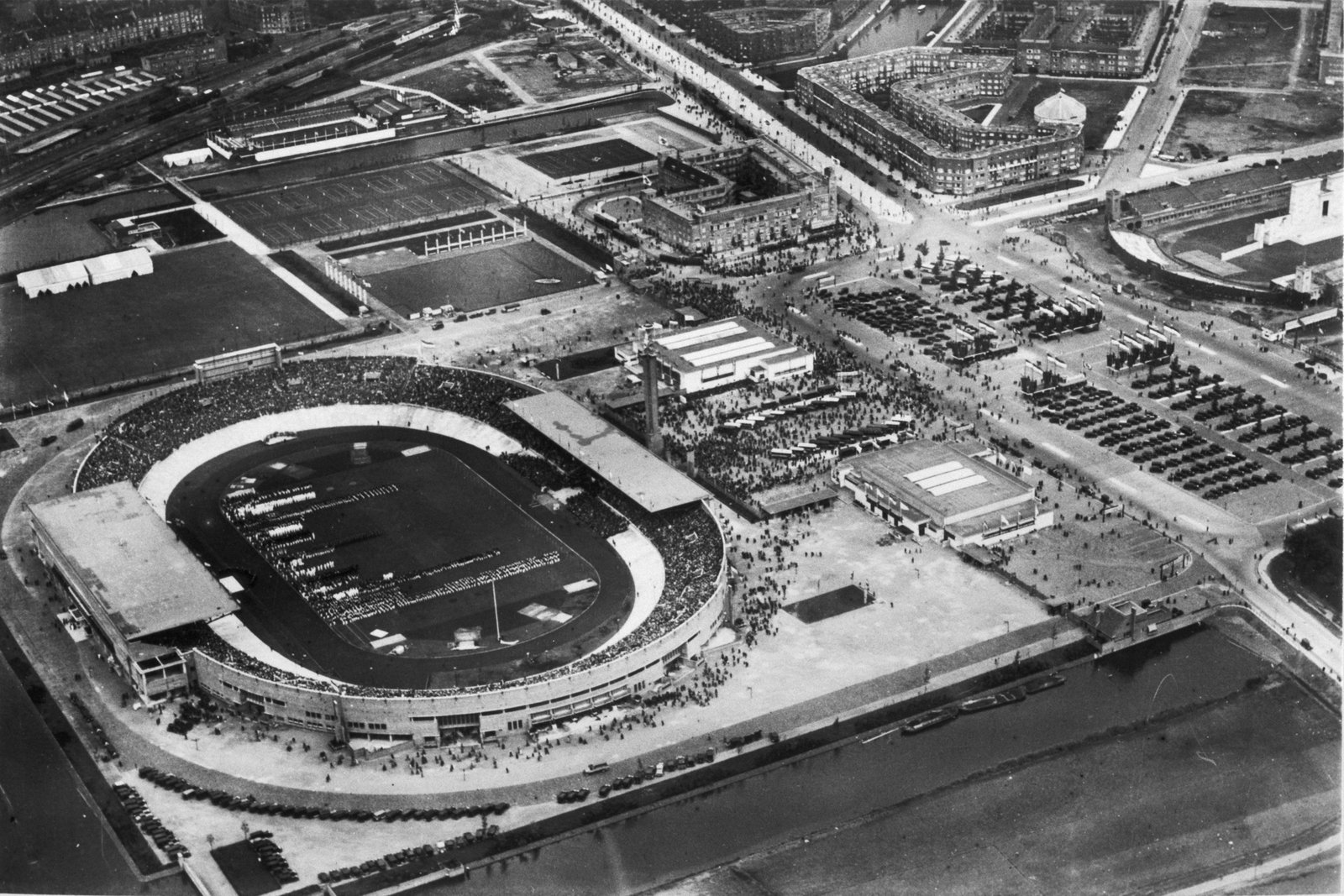
It is now a fixture at the start of the Games: the Olympic Flame. It was the architect of Amsterdam's Olympic Stadium, Jan Wils, who came up with this modern tradition. Right next to the stadium he designed a tower almost 50 metres high. This Marathon Tower was meant to show all Amsterdammers that the Games were under way. Another nice fact: nowadays famous athletes light the Olympic Flame as a real honour. In 1928 it was still an employee of what we now know as Liander (the regional grid operator) who lit the flame.
No live broadcast
Nowadays parents sometimes worry that their kids no longer go outside because they spend too long with a tablet in their hands. The organisers of the Amsterdam Games had a similar fear: a live broadcast of the opening would keep people from coming to the stadium, and so it was not allowed. In 1928 television did not yet exist, but radio did. Of course the stadium was completely sold out, so only those present (just over 30 thousand spectators) witnessed the ceremony.
- 01There was no Olympic Village in Amsterdam. Athletes slept in primary schools, for example (it was the summer holidays, after all).
- 0246 countries took part in these Games. Between them they sent 2,883 athletes to Amsterdam.
- 03The road sign for parking that is now recognised everywhere internationally (the familiar white P on a blue sign) was discovered more or less by accident in Amsterdam. A sign was needed to direct visitors to the car parks. When this apparently turned out to be so clear, it became the standard.
- 04Many of the buildings put up for the Games have since been demolished. Only the Olympic Stadium itself and the Marathon Tower are still standing.