The gas pipe theory
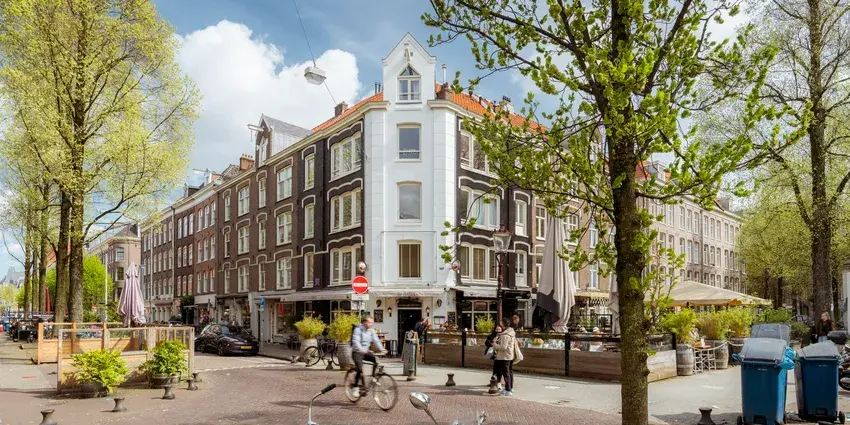
The most common explanation is that the neighbourhood was named after an old pipeline. A gas pipe or a drainage pipe that ran right through the then still undeveloped area. At a time when Amsterdam was expanding rapidly and new neighbourhoods were being thrown up, you needed practical names. And yes, if a pipe runs through a meadow, you soon end up calling it 'that bit by the pipe'.
The pipe-shaped neighbourhood theory
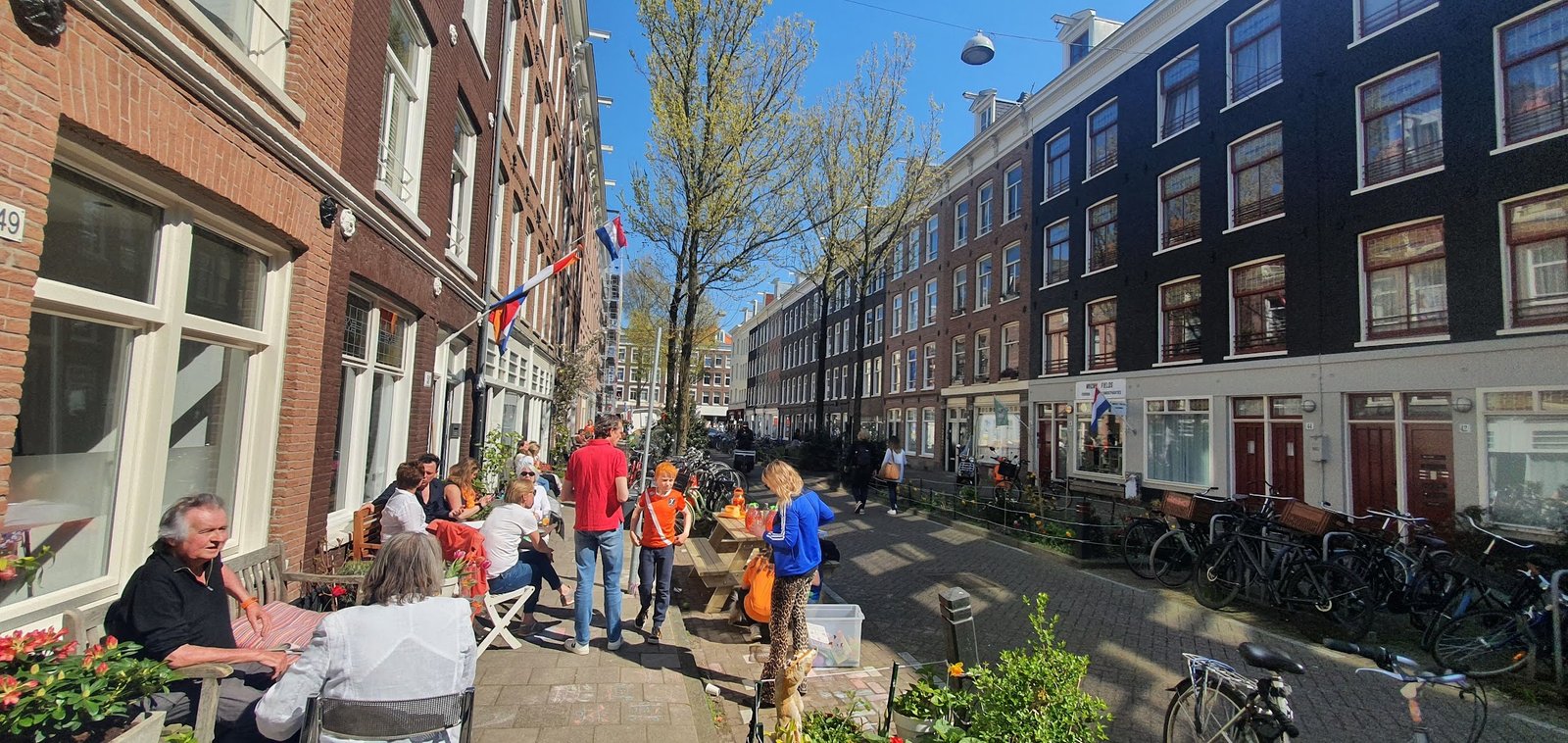
Another popular theory looks at the map. De Pijp stretches out in a long, narrow strip between the Amstel river and the Boerenwetering canal. Some historians suspect that the neighbourhood owes its name to this pipe-like shape. Have a look on Google Maps: it looks suspiciously like an elongated tube of little streets and housing blocks.
The mysterious street name theory
There is also a somewhat far-fetched but intriguing theory: that the name derives from the Lange Leidsedwarsstraat, which was once known locally as 'de pijp'. But there is little evidence for this, and most historians politely set this option aside.
Wijk YY
Nice detail: in the 19th century the area was officially designated 'wijk YY' (district YY), part of a system in which Amsterdam was divided into 50 neighbourhoods identified by two letters. The nickname 'De Pijp' was already in circulation by then and ended up sticking.
So...
Although nobody knows for 100% certain, it is clear that the name 'De Pijp' was already in use before the neighbourhood was built up. And whether it came from an actual pipe or from the shape of the neighbourhood: it fits perfectly, doesn't it?
