Fear of a 9/11 scenario
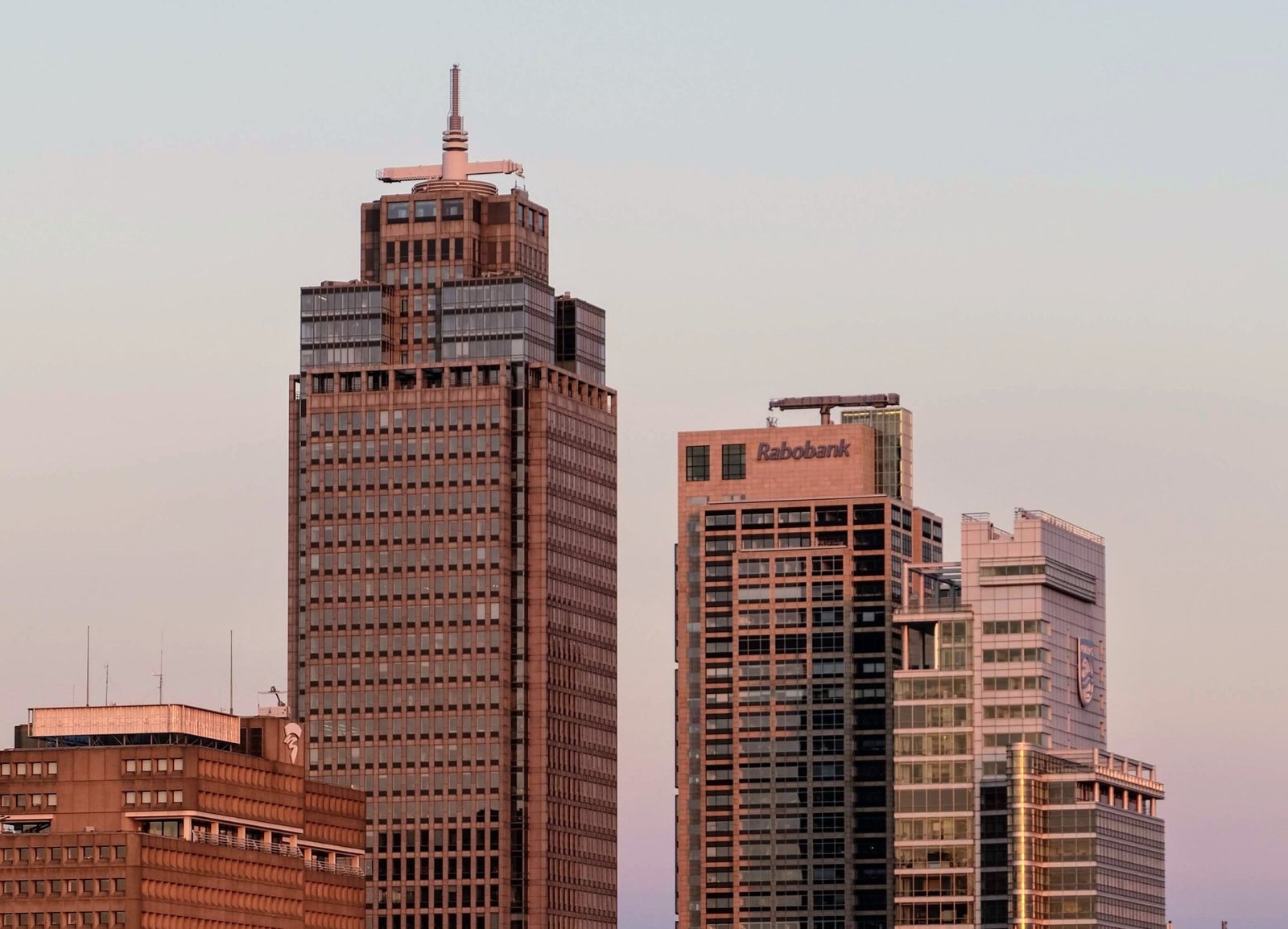
All the alarm bells go off when it turns out that someone has started a hostage-taking in a tall skyscraper. After all, on this glorious spring day in March it is only six months since America was hit by terror. The link is quickly made and the police immediately move to far-reaching security measures. An exit off the ring road is closed to all traffic, and the trains and metros around Amsterdam Amstel stop running. Who is this man who apparently has it in for ING? Then a fax from the hostage-taker rolls out of the machines at media outlets and companies, and it causes bewilderment. This is no terrorist action at all: the man is staging an armed protest against the introduction of widescreen televisions, an indictment of the Dutch tech company Philips...
Walked into the wrong tower
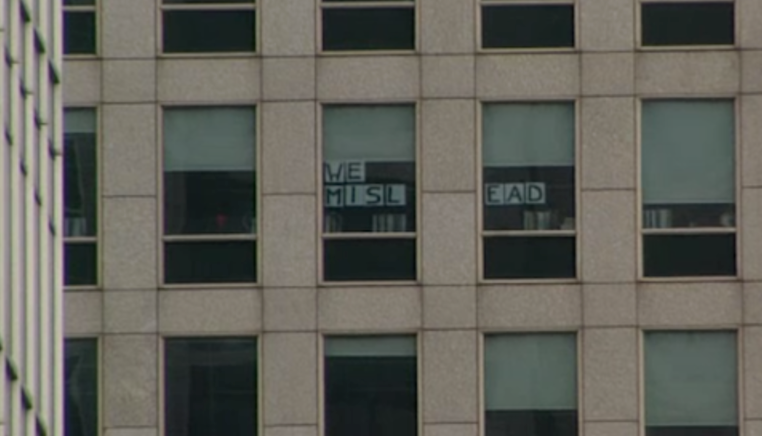
Ouch, that was a miscalculation by John R. He had walked into the wrong building that morning. Philips had indeed had an office in the Rembrandttoren for a few years, but in early 2002, after the completion of the neighbouring Breitnertoren, it had moved there. Although this was pointed out to him fairly soon after the hostage-taking began, he pressed on with his action regardless, and by now had 18 innocent employees locked up against their will. He makes these people stick large letters on the windows of the tower, so that the assembled press and the public around the tower also understand what he is fighting against: the black bars above and below the TV broadcasts. It was the era when people were saying goodbye to the 'square' 4:3 picture format and gradually switching to the 16:9 format still familiar today. To benefit properly from that, buying a new television was a must. Deceit and a dirty trick by the industry, John R. reckoned. And in his eyes, Philips was to blame.
Negotiating
Right, the fear of an attack has gone. John R. is known to various agencies and is on record as a person with psychological problems. But meanwhile he still has 18 innocent people hostage. Intensive negotiations get under way between specialists from the Amsterdam police and the confused man. The public prosecutor later speaks of 'open and receptive' conversations with the hostage-taker. As the working day is nearly over, a good 7 hours after the hostage-taking began, John R. says he wants to withdraw for a moment to reflect. But he never comes back: in the toilet he shoots himself twice in the head, dies on the spot, and the hostage crisis is over.
The aftermath
It may well be that you had never heard of this hostage crisis before. Once it finally turned out not to be a terrorist action, the attention slowly ebbed away. Two months after this incident, the politician Pim Fortuyn was murdered in Hilversum. Naturally, all the media and public attention went there, so John R. and his campaign against widescreen televisions faded into obscurity. In 2005 a film was made about the hostage-taking, although a fair amount of fiction was added to it.
EDITOR'S NOTE: fortunately, hostage-takings do not happen all that often in Amsterdam. By sheer coincidence, this article appeared on the morning of 22 February 2022, and that very evening there was a hostage situation at the Apple Store on Leidseplein. The combination led to a huge spike in readers of this article that evening and in the days that followed.
